
Rishikesh draws seekers from around the world — but knowing when to arrive can make the difference between a transformative retreat and a rain-soaked struggle. This guide breaks down every month of the year so you can plan with confidence.
The Short Answer: Best Time for a Yoga Retreat in Rishikesh
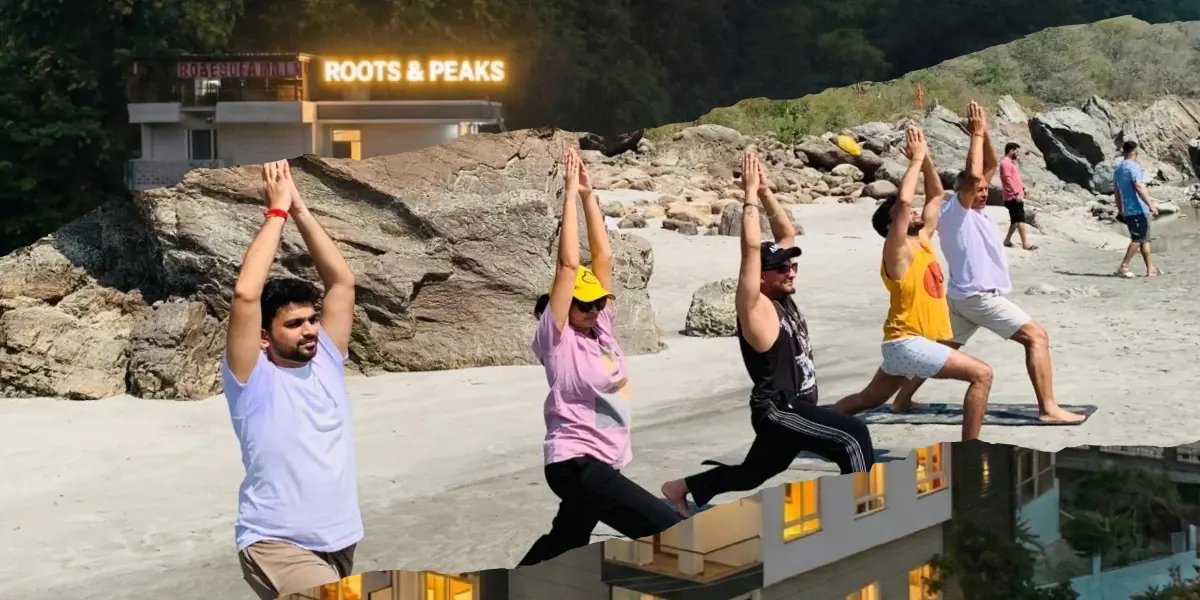
The best time to visit for a yoga retreat in Rishikesh is October to March. During these months, the weather is cool and clear, the air is clean after the monsoon, and the Himalayan views from properties like Roots & Peaks in Upper Tapovan are at their most spectacular. February and March are particularly ideal — warm days, cold mornings perfect for pranayama, and the rhododendrons in bloom along the trekking paths.
If you are flexible, February, March, October, and November are the four peak yoga months in Rishikesh. The International Yoga Festival takes place each March, drawing master teachers from across the world.
Month-by-Month Guide to Visiting Rishikesh for Yoga
| Month | Weather | Yoga Suitability | Crowds |
|---|---|---|---|
| January | Cold, 5–18°C, occasional fog | ★★★★☆ — Excellent for morning practice with thermals | Low |
| February | Cool, 8–22°C, clear skies | ★★★★★ — Perfect conditions | Medium |
| March | Warm, 12–28°C, festival season | ★★★★★ — International Yoga Festival | High |
| April | Warm, 18–35°C | ★★★★☆ — Good, slightly warm afternoons | Medium |
| May | Hot, 25–40°C | ★★★☆☆ — Heat limits outdoor practice | Low |
| June | Pre-monsoon heat, 28–38°C | ★★☆☆☆ — Challenging | Very Low |
| July | Monsoon, 25–32°C, heavy rain | ★★☆☆☆ — Landslide risk on some routes | Very Low |
| August | Monsoon peak, 24–30°C | ★★☆☆☆ — Not recommended for first visits | Very Low |
| September | Monsoon easing, 22–30°C | ★★★☆☆ — Lush greenery, clearing skies | Low |
| October | Post-monsoon, 15–28°C, pristine air | ★★★★★ — Best views of the year | Medium-High |
| November | Cool, 10–24°C, crystal clear | ★★★★★ — Ideal for long retreats | Medium |
| December | Cold, 5–18°C, misty mornings | ★★★★☆ — Magical if you embrace the cold | Low-Medium |
The Four Yoga Seasons in Rishikesh
Peak Season: October – March (Recommended)
This is when Rishikesh truly shines for yoga and wellness seekers. After the monsoon clears in September, the air becomes extraordinarily clean — the Himalayas visible in sharp relief from Upper Tapovan on most mornings. Temperatures are comfortable for both outdoor asana practice and meditation, ranging from cool mornings (8–12°C) to pleasant afternoons (20–28°C). Morning pranayama sessions in this season feel different — the mountain air has a quality that city practitioners rarely experience. At Roots & Peaks, the yoga shala faces the Himalayan foothills, and in October and November the views are at their absolute finest.
Transition Season: April – May (Good for Experienced Practitioners)
April is still an excellent time to visit — warm enough to practise outdoors, not yet overwhelmed by summer heat. The tourist crowds from March begin to thin, giving the property a quieter, more personal atmosphere. May becomes progressively hotter, making afternoon practice challenging, but morning sessions starting at 6:30 AM remain ideal.
Monsoon Season: June – September (For the Adventurous)
Rishikesh in the monsoon is a different experience entirely. The Ganges swells dramatically, the hills turn an electric green, and the air is thick with moisture and fragrance. This is not the ideal time for outdoor yoga or trekking, but the Inner Tapovan area where Roots & Peaks is located remains accessible and beautiful. Some practitioners find the monsoon's introspective quality deeply conducive to meditation. If you do visit between July and August, book a longer retreat to give yourself time to settle — and bring layers for the surprisingly cool evenings.
Winter Season: December – January (Deeply Meditative)
December and January in Upper Tapovan are cold — mornings regularly drop to 5°C — but for those who can embrace the chill, this season offers a profundity that warmer months cannot match. The tourist infrastructure is quieter, retreat groups are small, and the silence around the property in the early morning is complete. Many practitioners return specifically for winter stays.
Why Upper Tapovan Stays Comfortable Longer
Rishikesh is not one climate — it is several microclimates. The main city by the Ganges collects heat and noise. Upper Tapovan, where Roots & Peaks is situated, sits at a higher elevation with natural airflow from the surrounding forest and mountainside. This means summer temperatures here run 3–5°C cooler than the centre of Rishikesh, and the air quality is consistently better. During the monsoon, Upper Tapovan also avoids much of the urban flooding that affects lower areas.
What to Pack for a Yoga Retreat in Rishikesh
| Season | What to Bring |
|---|---|
| October – March | Thermal base layers, a fleece or light down jacket, yoga leggings, one warm shawl for evening meditation |
| April – May | Light, breathable yoga wear, sun protection, a light layer for early mornings |
| June – September | Quick-dry fabrics, rain jacket, insect repellent, extra layers for cool evenings |
All rooms at Roots & Peaks are equipped with air conditioning and geysers, so temperature comfort indoors is consistent year-round.
Ready to Experience Rishikesh at Its Best?
Roots & Peaks offers yoga retreats year-round at our boutique hotel in Upper Tapovan. Our 3-day, 7-day, and 14-day yoga retreat programmes are available in every season — we will advise on the ideal timing for your practice and goals.
Contact us to check availability →